





















As a leading cyberattack, session hijacking helps hackers, attackers, and cyber terrorists steal and misuse session IDs. They can then act as users and access their accounts using stolen session IDs. In this situation, website owners must implement various security measures, such as encrypted connections (HTTPS), strengthened session management, and more.
Continue exploring this blog post to learn about session hijacking in detail. It will also discuss how website admins can protect their sites against session hijacking and help users safeguard themselves against it.
What Do You Mean by Session Hijacking?
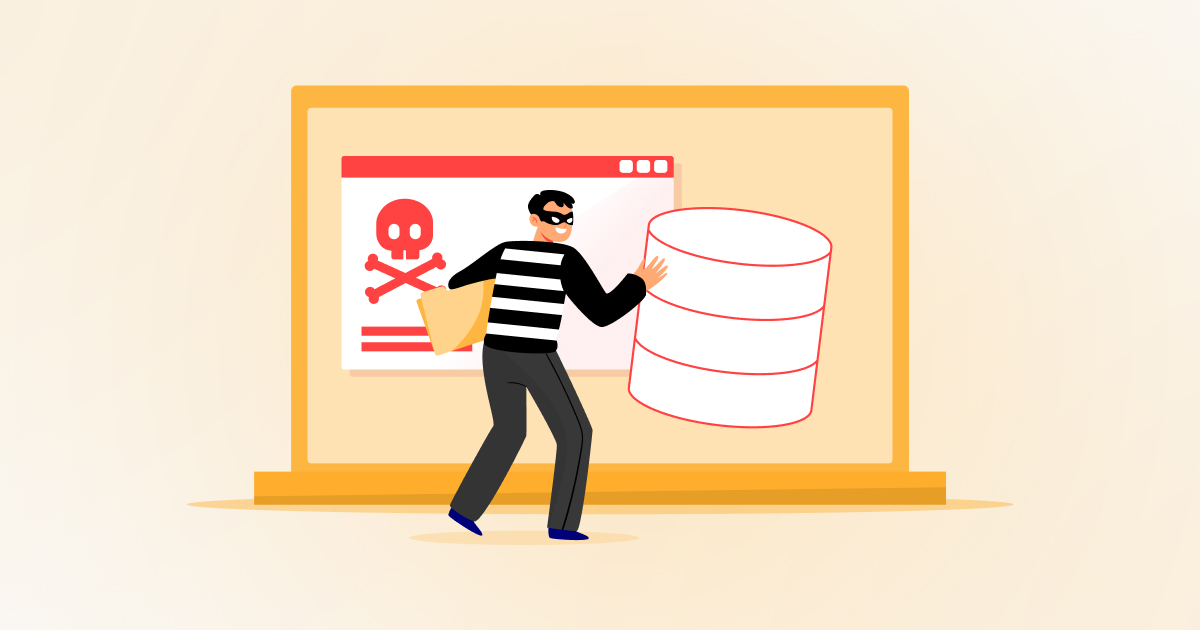
When someone wants to take control of a user’s web session, it is called session hijacking. In web browsing, a session is a series of communications between two interaction endpoints, sharing a unique session token to ensure security and continuity.
It is a kind of attack in which an attacker or a spammer exploits the session token to access information or services unethically. This process starts when a bad actor intercepts the token, which can be likened to a secret handshake between the site and a user.
Once in possession of this token, the attacker can deceive as the legitimate user, potentially triggering chaos. The interception approaches can differ, ranging from sophisticated phishing attacks to network eavesdropping.
How Does Session Hijacking Work Practically?
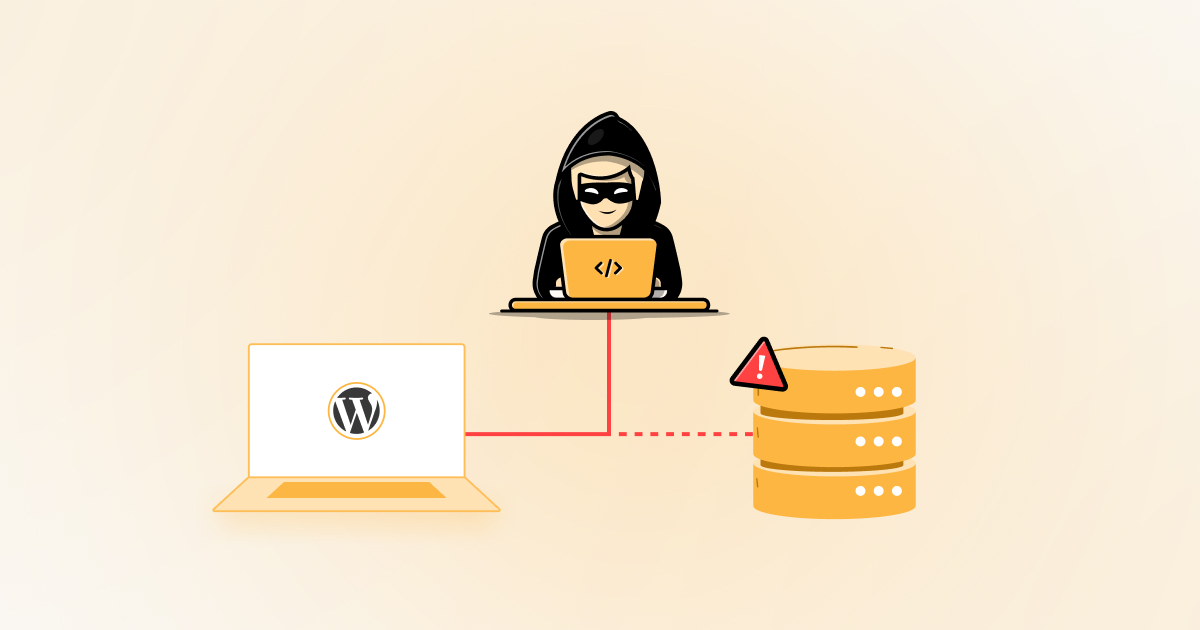
Attackers or spammers can use different methods to hijack sessions. However, the process usually consists of three key stages.
Stealing the Session ID or Brute Force
In the first stage, cybercriminals obtain user IDs by stealing session cookies. They also encourage users to reveal their session IDs via phishing attempts. In this stage, attackers try various IDs until they succeed.
Pretending to be You
After stealing the session IDs, cyber terrorists can potentially act like you and access your session. They provide the stolen session IDs to applications or sites, giving access to users’ sessions without additional authentication.
Exploiting Access
Once the attackers access the session, they will likely gain access to crucial or sensitive information. They can also conduct transactions and activities or make changes to settings that users are authorized to make.
If users employ single sign-on (SSO), this can cause havoc from a security point of view. Unfortunately, hackers can manipulate various applications by gaining unauthorized access.
Different Session Hijacking Techniques
Before we explain how to secure your WordPress website from session hijacking, let’s describe various techniques hackers, attackers, and other cyber thieves use to hijack sessions. Sadly, hijackers can implement different techniques, such as cross-site scripting (XSS), session sniffing, session fixation, and malware.
Cross-Site Scripting (XSS)
A cross-site scripting (XSS) attack occurs when cyber thieves insert malicious scripts into web pages to steal session cookies. Therefore, website owners and developers must know how to protect their WordPress sites against XSS attacks.
Otherwise, site visitors can face the session hijacking issue. Consequently, hackers or attackers can access their accounts and exploit sensitive information.
Session Sniffing
Session sniffing is an approach that helps monitor a network’s traffic for valid session tokens. Users must implement adequate security measures, such as two-factor authentication (2FA) and encrypted connections, such as HTTPS, to prevent themselves from session sniffing, a malicious session hijacking technique.
Session Fixation
Session fixation is another harmful technique in which a user forcefully utilizes a session ID that an attacker has compromised. To safeguard themselves from session fixation attacks, users should apply security practices, including secure session cookies and a session timeout policy.
Malware
Malware is a renowned session hijacking approach in which hackers use malicious software to obtain browser information, such as session IDs. Therefore, users must update software regularly and install results-driven security software on their devices.
Furthermore, they should not click suspicious links in unknown emails. This way, they can smartly negotiate the threat of malware.
How Can Website Admins Prevent Session Hijacking?
Website admins can follow various approaches to prevent their sites from session hijacking. These approaches are:
Use HTTPS Across the Whole Website
You must ensure that your site utilizes HTTPS to encrypt data transfer between users and your website. This encryption can safeguard crucial users’ data, such as session IDs, login details, etc. As a result, cybercriminals cannot intercept this information, keeping your site secure.
Implementing HTTP Strict Transport Security (HSTS) on web servers, enabling browsers to create secure HTTPS connections, is highly recommended. This will also help block MITM (Man-in-the-Middle) attacks.
Strengthen Session Management
It is no secret that generating session IDs utilizing random values and setting appropriate session expiration periods is crucial. Website admins can issue session IDs after verification to avoid experiencing the session fixation issue in the future.
They can also consider using features such as ‘Secure’ and ‘HTTPOnly’ on session cookies to minimize another issue: session ID theft via cross-site scripting (XSS) attacks.
How Can Website Visitors Prevent Session Hijacking?
Session hijacking is an issue for website admins and visitors. Like site admins, visitors must take a few preventive measures to avoid becoming victims of session hijacking. As website visitors, they can bypass the session hijacking issue by following the tips below.
Always Log Out of Websites When You Are Done
Always remember to log out of sites when you have completed your task. This will help you make your session ID invalid and useless for hackers and cyber terrorists. They cannot use session IDs to accomplish their illicit aims.
Enable Multi-Factor Authentication (MFA) for Every Online Account
Activating multi-factor authentication (MFA) can help add a security layer to the authentication methods. This will also safeguard sites and users from session hijacking since hackers cannot exploit and use stolen credentials. They must complete another security authentication step before they can access users’ accounts and perform malicious activities.
MFA (multi-factor authentication) is handy when website admins and users want to avoid the threat of session hijacking.
Be Careful While Clicking the Links
You must be watchful while clicking links in emails. Before you click any link, ensure it is safe and has no consequences. There is a strong likelihood that a few links might look appropriate, but they can land you on malicious sites if you click them. As a result, hackers can access your login details and inject malware.
Avoid Public Wi-Fi
Public Wi-Fi has undoubtedly become a honeypot for hackers and other cyber thieves in this digital age. They can hijack sessions with the help of MITM (Man-in-the-Middle) attacks. Therefore, website visitors should not browse sites using public Wi-Fis.
Before visiting their desired online sites, they should consider connecting to a secure private network. By doing so, they can protect their privacy and evade session hijacking while browsing sites.
Is the Term Session Hijacking Error Correct?
The term “Session Hijacking error” is not correct. That’s because session hijacking is a deliberate security attack hackers make. In this attack, an attacker tries to control users’ active sessions. In short, session hijacking is a security threat that site owners and users should not take lightly.
Wrapping Up
Session hijacking is a dangerous cyber threat that can negatively influence individuals and businesses. That said, it can be protected by taking the correct steps ahead of time for both website admins and visitors.
Applying practical security steps such as HTTPS across your website and following strong session management practices are vital in minimizing the risk of session hijacking. Site visitors can play their part and protect themselves from session hijacking by logging out of sites, using MFA, being careful of dubious links, and evading public Wi-Fi.
By being practical and proactive, website visitors, site owners, developers, and other stakeholders can reduce the threat of session hijacking and have an anonymous and secure online experience.