


































The dark search engine remains one of the world’s concerns, as it can only be accessed through specific means, such as the Tor browser. Tools like dark search engines make navigating this hidden part of the internet easier. However, they are often criticized due to the illegal activities that occur on them, which include selling drugs and offering numerous forms of cybercrime.
This blog post will explain why users should avoid dark search engines in 2025 and beyond.

What is a Dark Search Engine?
As far as dark search engines go, they are dedicated tools that help users conduct web searches within the dark web. Unsurprisingly, these unfiltered engines largely depend on the Tor network, which is not the case with leading formal search engines such as Bing, Google, and Yahoo.
Before explaining the concept of a dark search engine, it is vital to comprehend the Tor network. It primarily operates as a hidden ecosystem where the content is intentionally concealed from public sight. In reality, dark search engines scour encrypted or anonymous sites (“.onion” sites) rather than browsing links that don’t exist or are part of the clear or surface web.
Instead of browsing indexed links, dark search engines scour encrypted, frequently unidentified websites (“.onion” sites) that do not exist on the clear or surface web. Regarding dark search engines, they are designed to index all content on the dark web.
Practically, dark search engines scrutinize illegal content. Similarly, they are supposed to prioritize verified, non-malicious services. That said, different dark search engines provide users with uncensored search results, exposing them to compromised credentials and stolen data.
Therefore, business owners and netizens must be wary of these web search engines as the consequences of using them are undeniable.
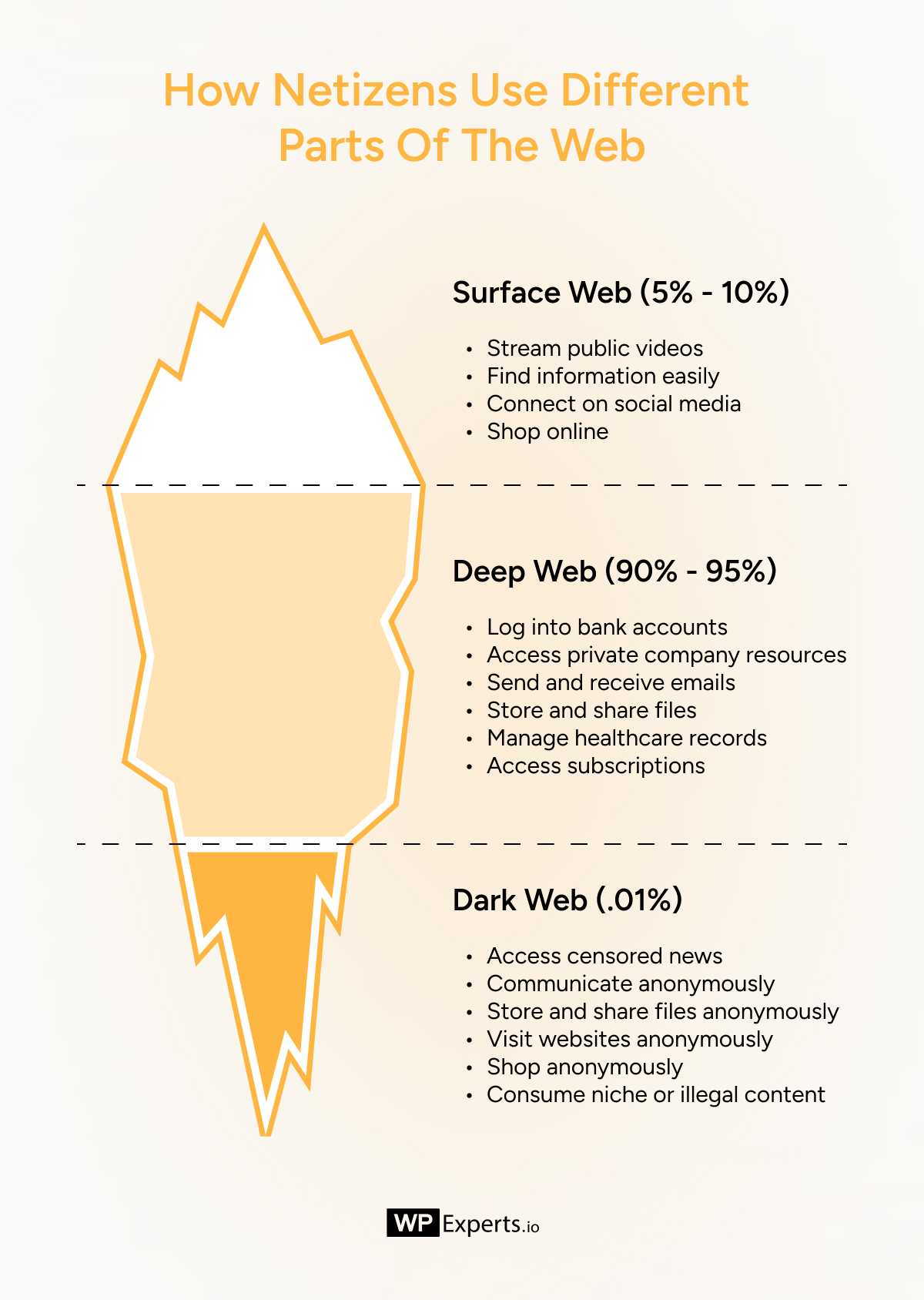
How Netizens Use Different Parts of the Web
What is So Bad About the Dark Search Engine?
The dark search engine has been greatly exaggerated by netizens over the years. Moreover, they are known for notorious activities that usually come under the umbrella of illegality.
In other words, the dark search engine is often regarded as a dangerous entity due to its relationship with illegitimate activities and the potential for exposure to malicious content.
While it provides users with the desired level of privacy and anonymity and can be used for authentic purposes, such as secure communication, its main application is often for illicit marketplaces, cybercrime, and the distribution of destructive resources.

Avoid Dark Search Engines for Maximum Protection (Top 10)
The dark search engine likely grows each day, and the same can be said for the number of tools used to navigate it. Here are the top 10 dark search engines you must avoid:
1. Torch Search Engine
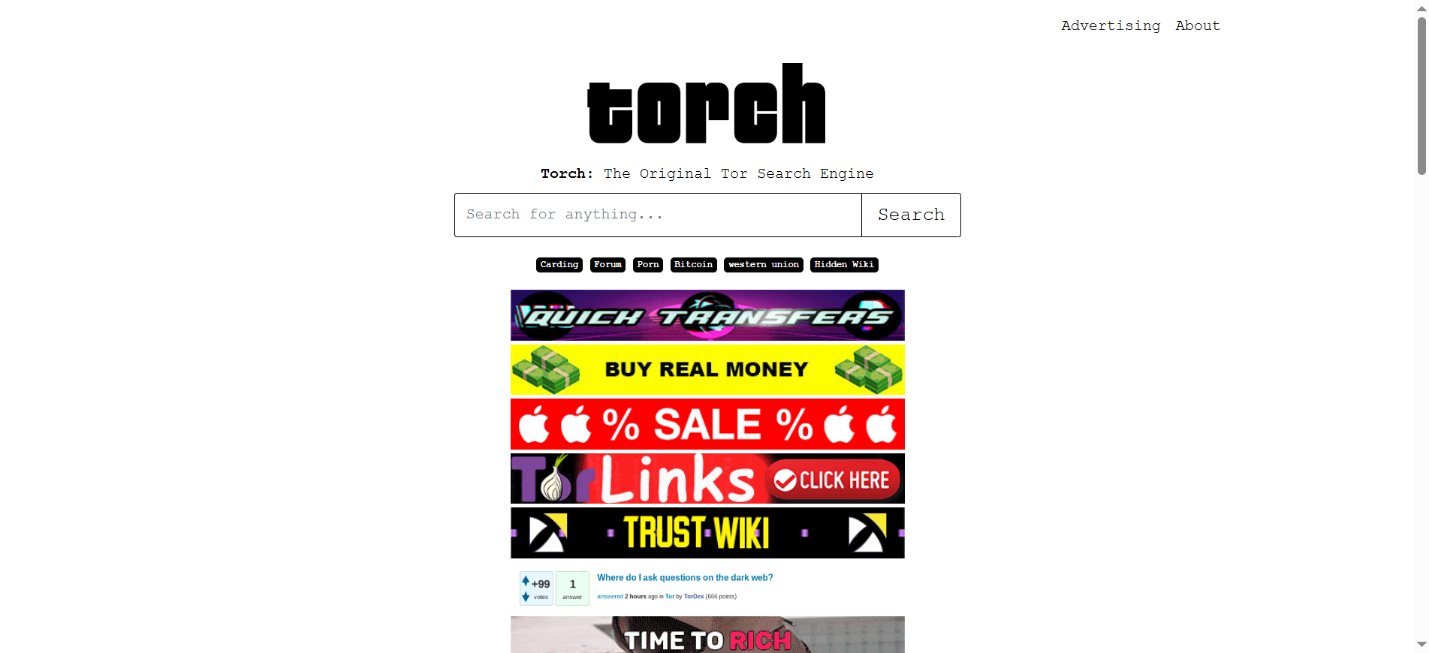
Torch is one of the widely known and pioneering dark search engines, which remains in use and hasn’t undergone significant changes over time. It’s completely uncensored, which suggests that users are regularly exposed to harmful sites, abusive content, or spam links; however, it also offers a comprehensive view of threats on the dark web.
2. Haystak
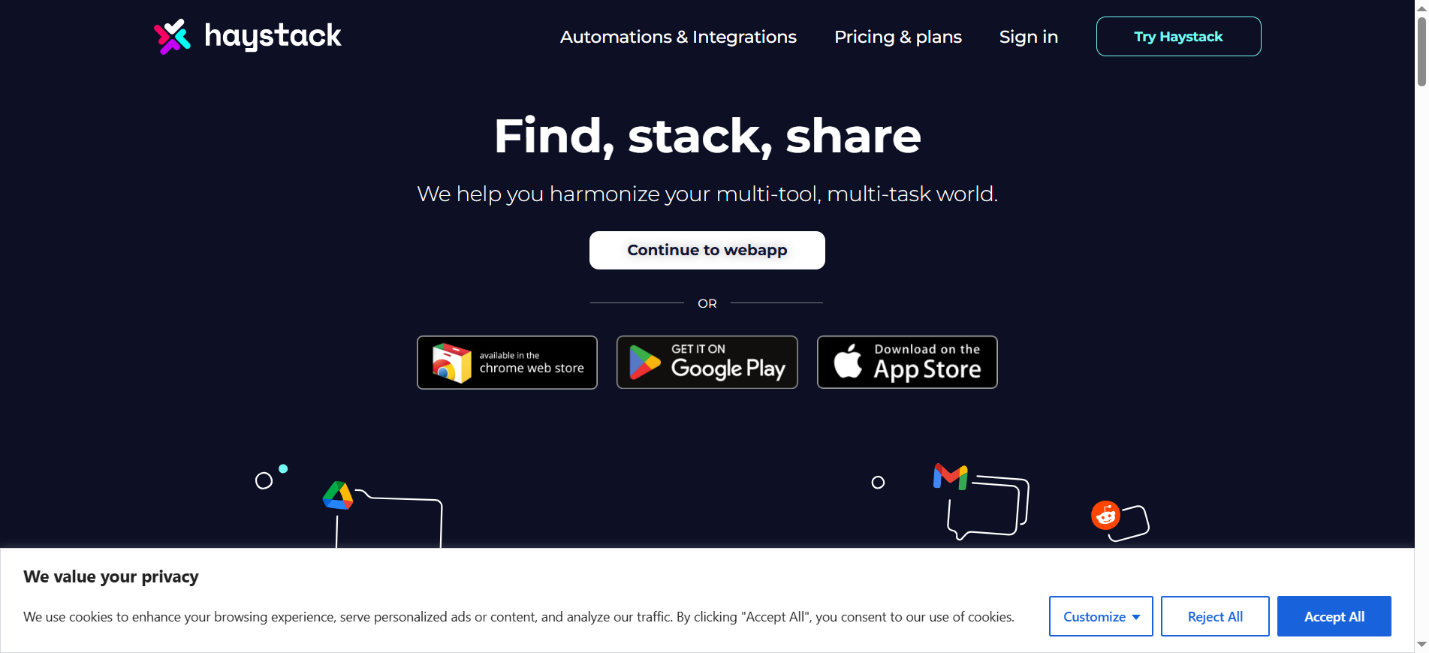
Haystak is also a renowned unfiltered web search engine that provides users with an uncensored yet privacy-focused search experience. Additionally, the search engine helps index a wide range of .onion links and offers a premium version.
It consists of tools that allow you to scrutinize searches, track your search history anonymously, and browse with enhanced protections. Haystak does not censor content by default but provides safety flags to help users make informed decisions.
3. TorDex
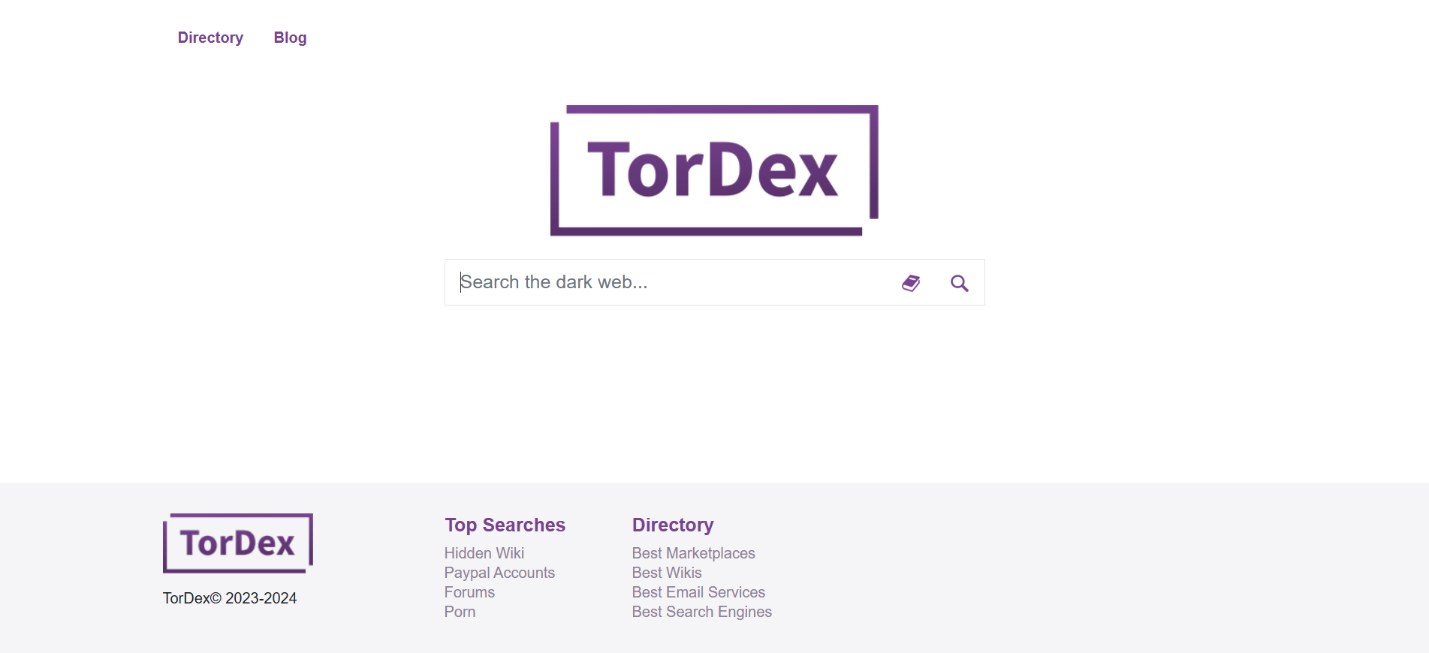
TorDex is another hidden yet unfiltered dark search engine. It enables you to propose new .onion websites. However, it does not reveal how these submissions are vetted. This can result in dangerous links showing up in search results.
Apart from this, it also offers no user guidance, no filters, and no warning labels. Yet, it helps users explore the open model and user-driven content, enabling them to unearth a broader range of dark web sites.
4. Excavator Search Engine
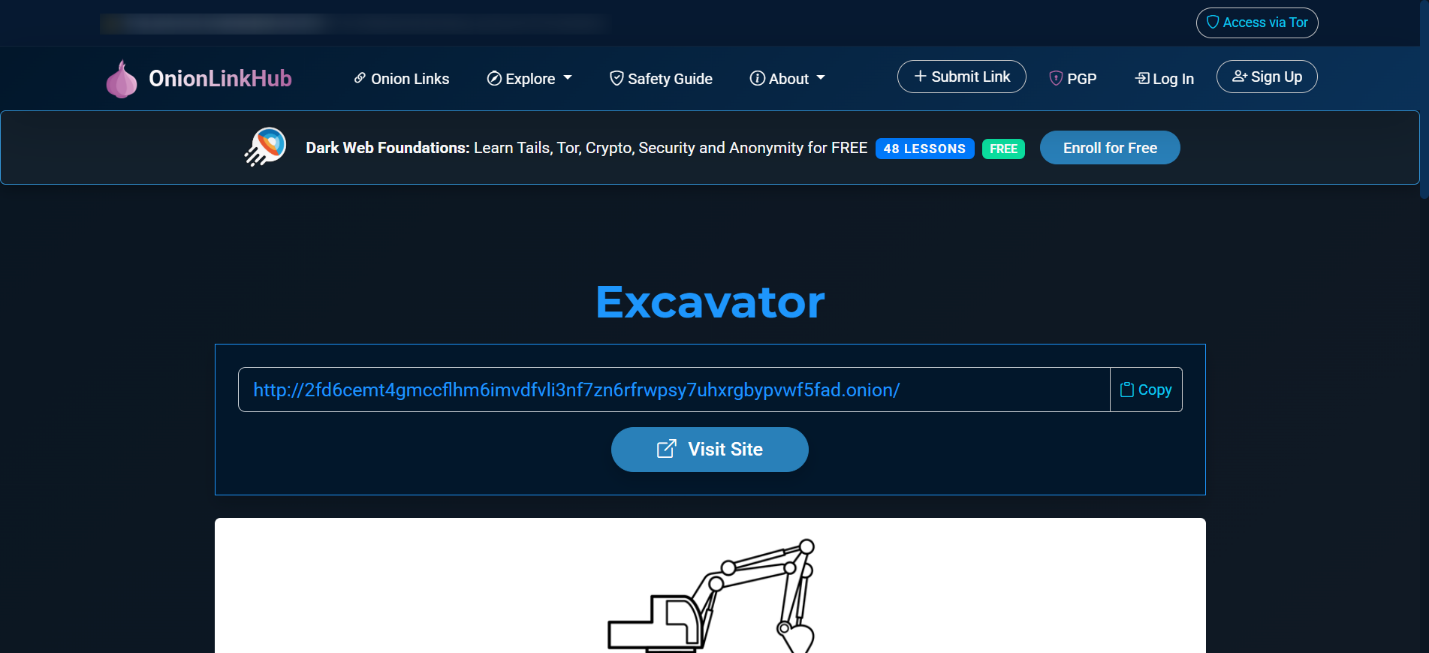
The Excavator search engine enables users to explore the depths of the dark web, revealing a detailed view of indexed content. Compared to other unfiltered search engines, Excavator is a relatively unknown yet results-driven, unrestricted search engine that suits users who want to conduct in-depth exploration related to any topic.
5. Ahmia Search Engine
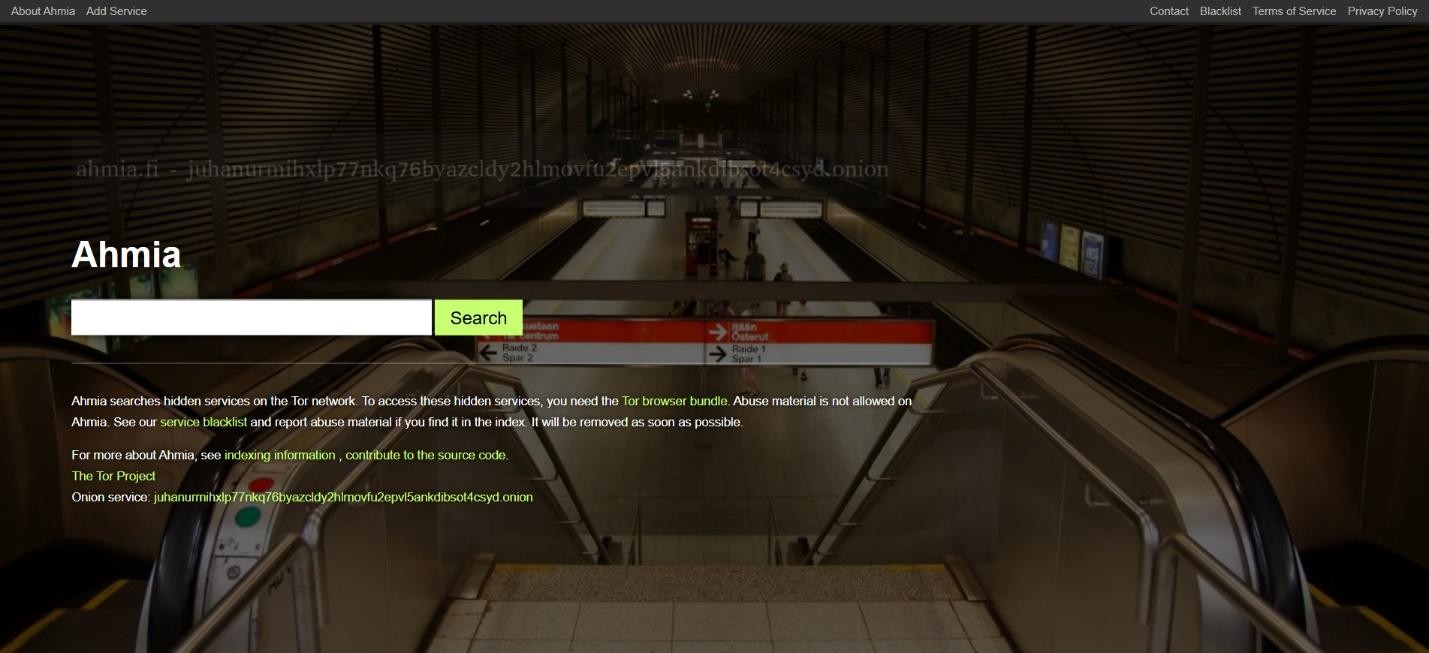
The Ahmia search engine offers users an uncensored search experience. Moreover, it enables users to access a wide range of information while efficiently filtering out or removing illegal content.
6. Onion Links
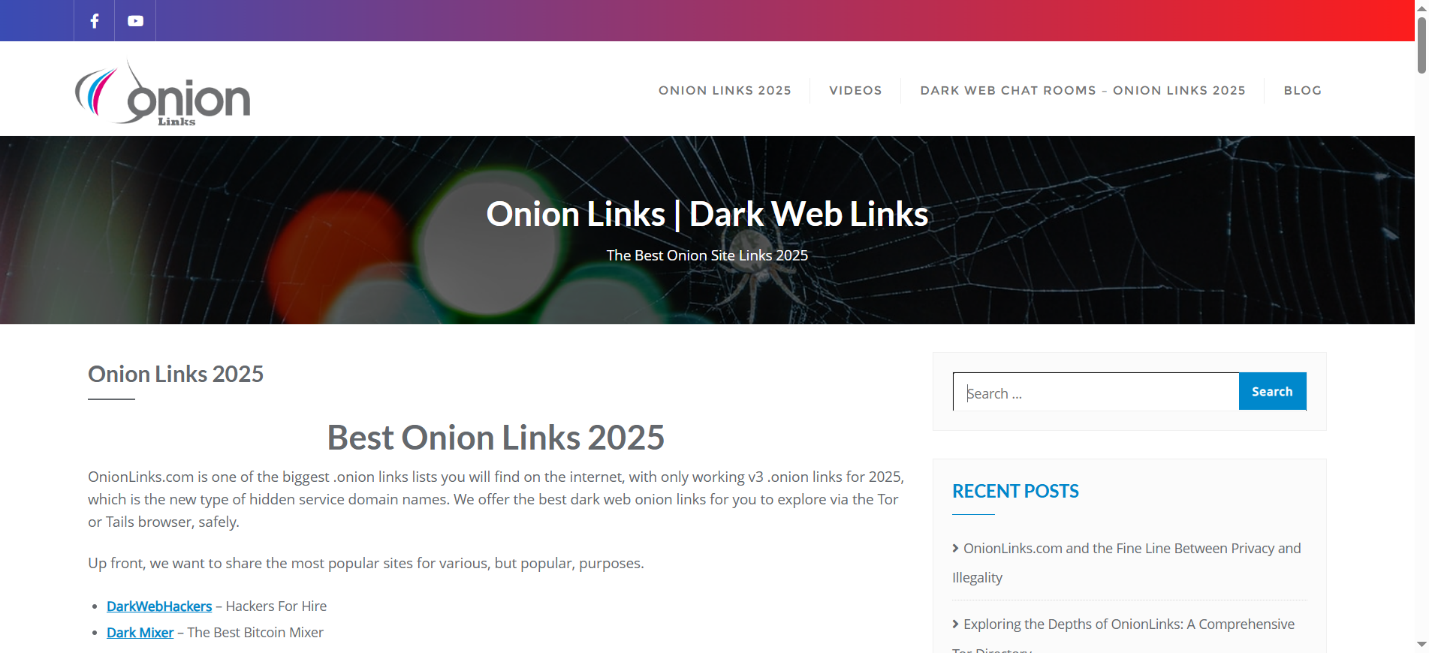
Although not a conventional search engine by any stretch of the imagination, Onion Links is a categorized directory of verified or authenticated .onion websites. The dark search engine categorizes links into sections, including forums, marketplaces, blogs, and privacy tools. Due to its structured directory format, Onion Links is commonly mentioned under the category of dark search engine tools.
7.OnionLand Search
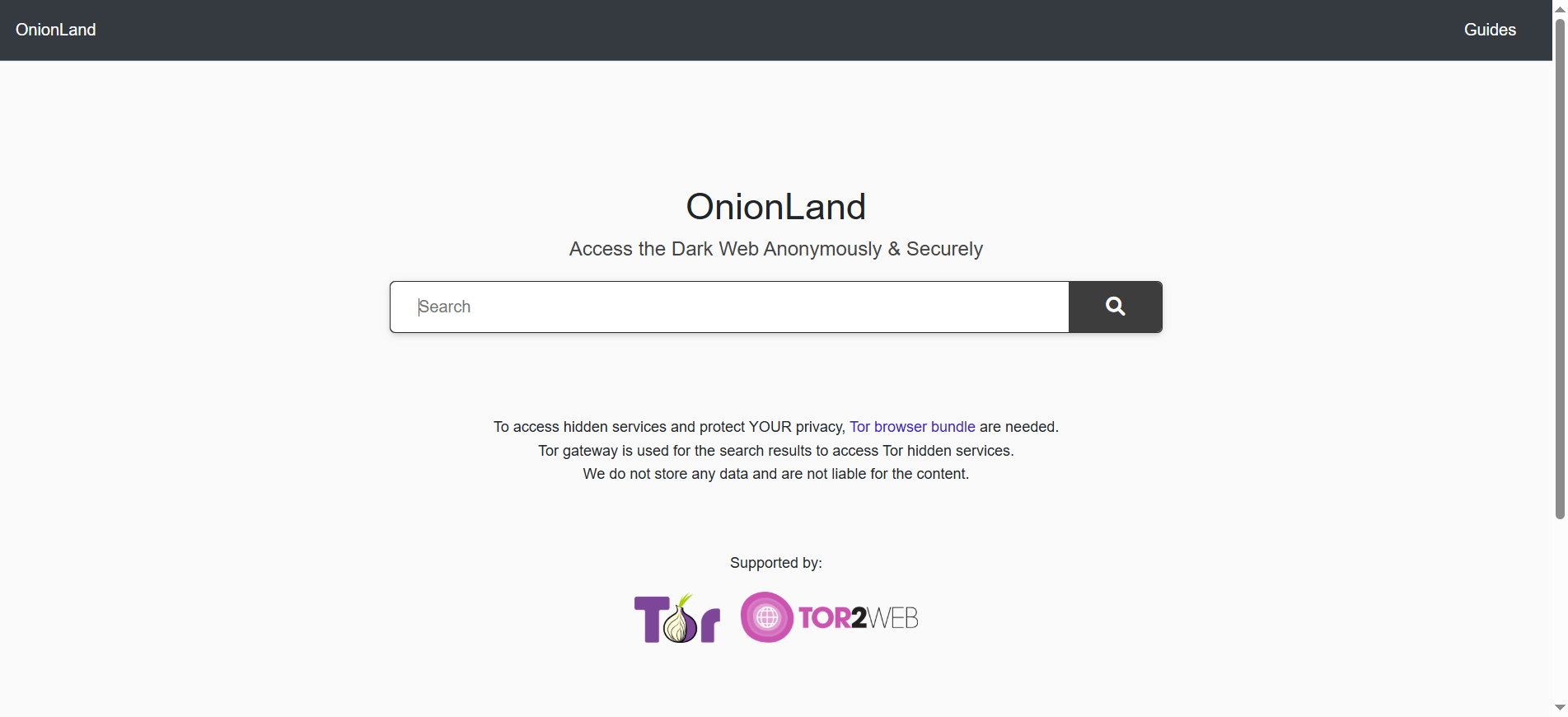
Netizens can utilize OnionLand Search as a deep web search engine and a dark search engine, allowing them to search for various hidden services under one roof.
8. Candle
Candle, a notable dark search engine, enables users to access a wide range of information accessible on the dark web. Users can use the Tor network to access this secret search engine. However, they should be extra vigilant when using Candle and other popular dark and deep search engines, as they may face unforeseen security risks and issues.
9. Not Evil
Not Evil is another dark search engine, but like all dark or deep search engines, you should use it carefully. This anonymous web search engine has a massive amount of .onion content. NotEvil has been included in the list of accessible secret search engines.
10. VormWeb

WormWeb is another dark web search engine offering quick and easy access to .onion websites. Its key focus is to let netizens explore the dark search engine with reduced risk. As mentioned, dark search engines should be avoided to protect users’ anonymity on the dark web.
Are Deep Search Engines and Dark Search Engines the Same?
Deep web search engines and dark search engines are different from each other. However, users often become confused when they encounter these terms in general. The deep web encompasses all aspects or parts of the internet. In addition, standard search engines like Google don’t index these aspects or parts.
You can consider such parts as academic databases, private forums, and online banking portals. On the other hand, users can view the dark search engine as a subcategory of the deep web, which needs dedicated software and configurations, such as the Tor browser, for browsing and other purposes. Dark websites use encryption to conceal or mask user identities and locations.
How Can We Identify the Malicious Dark Search Engine Links?
When searching or browsing with the help of a dark search engine, you can easily carry out the following checklist:
- Identify reputation signals such as old pages, security tags, or identified listings.
- Check SSL/TLS on .onion domains – Various phishing sites skip HTTPS.
- Prefer PGP-signed listings – Trusted links are mostly signed.
- Validations – Use forums such as r/onions for validation.
- Avoid Suspicious Names – Random strings are often auto-generated for scams.
Can a Normal Person Visit the Dark Search Engine?
Visiting or browsing the dark search engine is not prohibited. On the contrary, you can face criminal charges when utilizing the dark search engine to purchase or sell illicit firearms, drugs, stolen passwords, hacked credit card account numbers, or other unlawful activities.
How Do I Know If I am on the Dark Search Engine?
Fortunately, users don’t use the dark search engine unintentionally. They can likely visit the website on the internet accidentally; however, it is next to impossible to access or browse the dark search engine without a specific motive.
Before you access the dark web, you are bound to benefit from various tools, such as the Tor browser or other anonymity software.
What is the Most Protected Search Engine?
Here are some of the most protected search engines, including:
- Brave Search
- Qwant
- StartPage
- DuckDuckGo
- Kagi
- SwissCows
- Mojeek
Qwant, DuckDuckGo, and SwissCows are also included in the list of Google search engine alternatives.

How to Get Tor Browser?
To use the Tor browser, you must download it by visiting the official Tor project website. Once you have downloaded the browser, remember to check if it is compatible with the version supported by your operating system, such as Windows, macOS, Android, or Linux.
After completing this step, follow the instructions to configure your browser on the device accordingly.
What Do You Mean by the Deep Web?
We hope you are now familiar with the dark web. That said, you must know about the deep web before you start using your desired web search engines. The deep web is present under the surface web. Moreover, it mainly comprises usual sites that require visitors to create accounts before they can visit them.
For instance, if the surface web is an attribute of an iceberg, the deep web is a part of the submerged portion. It can be larger than you expect; however, it remains hidden from public view.
Users frequently use both terms, “deep web” and “dark web,” in parallel. However, they must be aware that most parts of the deep web are lawful and can be used safely when needed.
A significant portion of the web consists of intranets and databases. The former embraces internal networks for governments, educational facilities, and corporations. On the other hand, the latter comprises privately protected file collections that users can only access through the appropriate credentials. The ‘members only’ parts of public platforms also belong to or are associated with the deep web.
What Do You Mean by the Surface Web?
Through the surface web, also known as the clear web, netizens can utilize the visible part of the web to retrieve information using search engines. Additionally, you can easily connect on social media using the visible part of the web. Furthermore, it also allows you to shop online and browse free news articles.
Lastly, users can stream public videos and access government resources through a standard web browser.
Crucial Dark Search Engine Terms
- Anonymizing browser: A web browser lets users conceal or mask their online identities and activities. It allows them to route their web traffic with multiple servers and encrypt their data.
- Darknet: It is primarily an overlay network that needs specific software or configurations to access the dark web. Additionally, the darknet hosts content from the dark web.
- Nodes: The individual devices, computers, or systems that comprise a decentralized network, relaying encrypted traffic and contributing to users’ privacy.
- Overlay network: It primarily functions as a network built on top of another existing network, such as the Internet, that adds new functionalities, often for the purpose of anonymity.
What Are the Dark Internet Browsers?
When discussing dark internet browsers, the Tor (The Onion Router) browser is arguably the most popular and leads the competition. Apart from this, many dark internet browsers are easily accessible, including:
- I2P (The Invisible Internet Project).
- Freenet (Dark Refuge for Freedom of Speech).
- Tails (The Amnesic Incognito Live System).
- Mozilla Firefox.
- Subgraph OS.
- Waterfox.
- Brave Browser.
- GNUnet.
Should Cybersecurity Professionals Use Dark Search Engines?
Cybersecurity enthusiasts and experts should use dark search engines. The advantage of these search engines is that they enable cybersecurity professionals to examine the deep web thoroughly. However, netizens, business owners, and others should be extra careful when using these platforms.
Another advantage of a dark search engine is the visibility, as it helps identify potential risks that remain hidden from public view.
Wrapping Up
We hope you will like our blog post, which explains why you should avoid dark search engines. Users should generally refrain from using dark websites and search engines to avoid encountering illegal content without a clear disclaimer notice.
The dark search engine is a one-stop shop for cybercriminals, hackers, and other cyberterrorists. That’s because it facilitates them by exchanging illegal or unlawful tools, services, and stolen data on dark web commerce sites. This will likely pose a substantial cyber risk. This comprises the trading of: Illegal drugs, malware, and Exploits.