
















Remember the days when B2B transactions meant endless phone calls, paper catalogs, and that one sales rep who knew everything about your account? Those days are rapidly fading into memory as more businesses now understand what is B2B ecommerce. They embrace the digital revolution that B2B eCommerce has brought.
But what exactly is this shift all about, and why should your business care?
In this article, we’ll learn:
- What is B2B Ecommerce
- What is a B2B Ecommerce platform
- What is the best platform for B2B Ecommerce (WooCommerce obviously, due to its customization)
- B2B vs B2C
- Benefits of B2B Ecommerce
- How to Overcome B2B Ecommerce Challenges
So, let’s dive into each of these key aspects and explore how B2B Ecommerce is transforming the business landscape.
What Does B2B Ecommerce Mean?
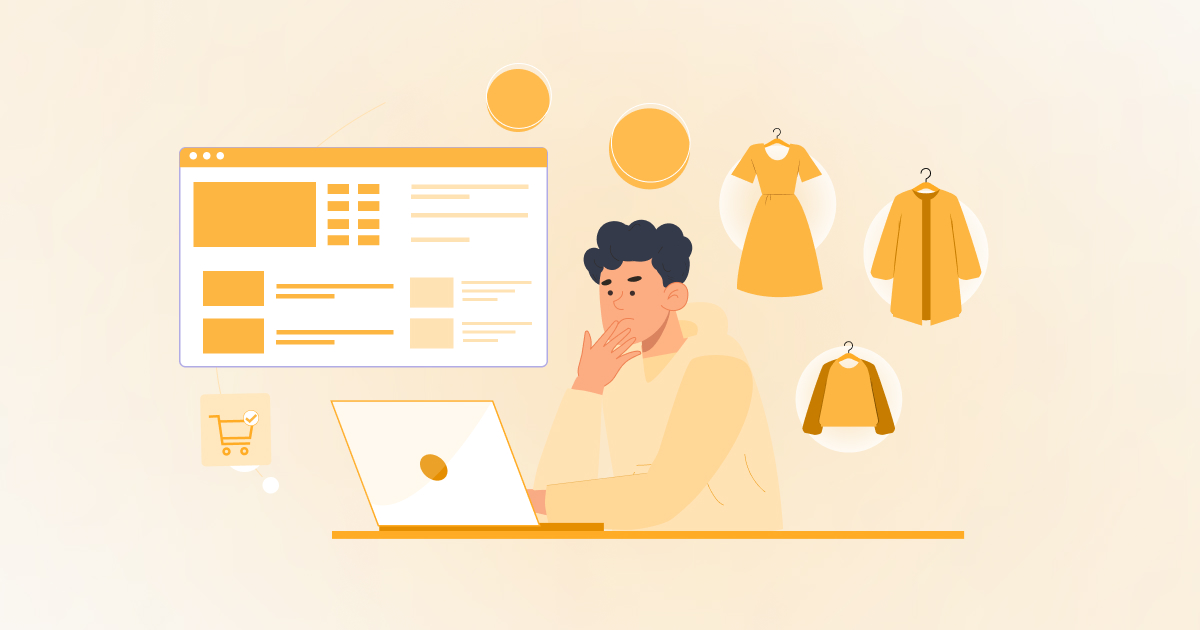
Let’s clear up the question: What is B2B eCommerce? B2B eCommerce means Business-to-Business electronic commerce. It refers to the online deals of products or services from one business to another. Unlike B2C (Businesses to Consumers). Where businesses sell directly to individual customers. In this case (B2B e-Commerce), your customers are different companies with their own procedures, budgets, and decision-makers.
Suppose you are a woodworker selling office desks to a coworking space chain, specialized software to ad agencies, or packaging materials to hundreds of internet retailers. All these are examples of B2B eCommerce.
What makes this model so revolutionary is how it simplifies what used to be traditionally complicated business relationships. With their many touchpoints, back-and-forth negotiations, and approval chains, they are simplified into smooth digital processes. No longer are there emails, phone calls, and spreadsheets to juggle. Everything is done through a specially designed online environment.
B2B vs. B2C: Why Your Business Needs a Different Approach
Although B2B and B2C models involve online retailing, the similarities largely end there. If you have been attempting to cater to business customers with a consumer-oriented shop, you must have faced some irritating constraints.
Here’s the reason why they are inherently dissimilar:
With B2C, a consumer may view an appealing item, add it to the cart, and complete the transaction within minutes. The interaction mostly starts and stops with that solitary transaction.
In B2B, the sales process is more like this: A buying manager explores alternatives, puts items in an initial cart, forwards that list to their finance team for authorization, negotiates terms with your sales team, orders in bulk, and then does it all again on a regular basis.
Let’s get specific: A customer may purchase one for a home office if you’re selling office chairs. A corporate customer may order 50 chairs with special specifications, demand net-30 payment terms, need tax-exemption forms, and require special shipping arrangements.
This is exactly why default eCommerce platforms tend to come up short for B2B vendors. You require features like custom pricing, minimum order levels, bulk discounts, approval processes, and company account management—the B2B eCommerce plugin targets specifically.
Comprehensive Comparison Chart Between B2B & B2C E-Commerce
Now you know what is B2B ecommerce and have information about B2C Ecommerce. Let’s compare them both and highlight B2B vs B2C. Learn their key differences in terms of target audience, transaction volume, marketing, and sales cycle to better understand how each model functions.
| Feature | B2B eCommerce | B2C eCommerce |
|---|---|---|
| Customer Type | Businesses | Individuals |
| Order Volume | High / Bulk | Low / Single |
| Pricing | Negotiable / Tiered | Fixed / Standard |
| Purchase Decision | Multiple Stakeholders | Individual Buyer |
| Payment Methods | Invoicing / Net Terms | Credit Card / PayPal |
| Order Frequency | Recurring / Scheduled | One-Time / Occasional |
| Checkout Process | Complex / Customizable | Simple / Streamlined |
| Catalog Visibility | Role-Based / Restricted | Public / Open |
| Relationship Type | Long-Term / Contractual | Short-Term / Transactional |
| Marketing Focus | Relationships / Education | Promotions / Emotions |
What is B2B Ecommerce: The Key Components of Successful B2B eCommerce
What actually differentiates B2B eCommerce from consumer-oriented online retailers? Let’s disassemble the building blocks that count most:
1. Volume-Based Relationships
B2B transactions typically involve larger quantities and higher order values. A restaurant supply company doesn’t sell a single chef’s knife—they sell cases of them to commercial kitchens.
2. Personalized Pricing Structures
Unlike B2C’s one-price-fits-all model, B2B relationships often feature negotiated pricing. Your platinum-tier distributors might see entirely different prices than your new small business clients.
3. Complex Decision Chains
Consumer purchases are often made by individuals in moments. B2B purchases may require input from purchasing departments, finance teams, end-users, and executive approvers.
4. Recurring Purchasing Patterns
Many B2B relationships involve regular, predictable orders. Think of a hotel chain that orders the same linens every month or a manufacturer that needs consistent supplies of raw materials.
5. Flexible Payment Options
While consumers typically pay upfront with credit cards, B2B often involves purchase orders, invoicing, credit terms, and sometimes even complex financing arrangements.
A genuinely effective B2B eCommerce platform must handle all these nuances without forcing your team into workarounds or manual interventions. And the good news for WooCommerce users: You don’t need to abandon your existing investment. Motivated teams are key to managing complex platforms smoothly, and consistent employee rewards and recognition can go a long way in keeping morale and performance high.
What is a B2B Ecommerce Platform? Why WooCommerce is a Perfect Platform for B2B E-Commerce
Fear is something a WooCommerce user should not have; they’re already sitting on a gold mine of B2B potential. Rather than jumping ship to an expensive enterprise platform, you can transform your existing site into a B2B powerhouse with the right extensions.
B2B for WooCommerce stands out by adding exactly what your business customers need. That’s why here is the list of the top WooCommerce plugins your B2B eCommerce store must have:
- Wholesale Plugin for WooCommerce: A comprehensive and complete plugin to handle your B2B sales. It simplifies bulk orders, pricing, and user management in your B2B eCommerce store.
- Role-based pricing for WooCommerce: Show different prices to different customer categories
- B2B Company Credits and Permissions: Streamlines credit management, roles, and workflows for seamless B2B transactions.
- B2B Payments for WooCommerce: Offer flexible B2B payment plans, manage partial payments, and boost conversions.
- Quote Request Plugin for WooCommerce: Enable customers to negotiate prices for larger orders.
- B2B Invoice Payment Method: Enable flexible B2B invoicing, streamline checkout, and enhance customer satisfaction.
Think about what this means in practical terms. If you’re a specialty food distributor, you might display restaurant pricing to culinary customers, bulk discounts to grocery stores, and special terms to food manufacturers—all from your comfortable WooCommerce dashboard.
What is B2B Ecommerce: Who Benefits Most from B2B eCommerce Solutions?
You might be wondering if your specific business truly needs these capabilities. The answer is likely yes if you sell to other businesses in any capacity. But some industries have seen particularly dramatic benefits:
Manufacturers
Whether you produce components, materials, or finished goods, giving your business customers a streamlined way to order directly from you eliminates middlemen and strengthens customer relationships.
Wholesalers and Distributors
The traditional distribution model is being reimagined through digital channels. Leading wholesalers now offer 24/7 ordering, real-time inventory visibility, and account-specific catalogs.
Service Providers
Even if you’re selling services rather than physical products, packaged offerings with transparent pricing and easy procurement processes give you an edge over competitors stuck in the proposal-and-negotiation loop.
Subscription Businesses
Companies offering recurring services or replenishable products find that B2B eCommerce platforms significantly reduce customer service overhead and billing complications.
The common thread? All these businesses benefit from reducing friction in the purchasing process. Everyone wins because of one digital platform with perfect B2B functionality. It lets your customers easily find what they need, place orders on their schedule, and manage their relationship with you.
Transforming the B2B Customer Journey
Understanding What is B2B Ecommerce revolutionizes the B2B customer journey.. The traditional B2B buying journey was notoriously cumbersome: request information, wait for a sales call, receive a quote, get internal approval, submit a purchase order, wait for processing, and finally receive the goods.
B2B eCommerce collapses this timeline dramatically. Here’s what has become possible now:
- A purchasing manager logs into your portal with their company credentials
- They see their negotiated pricing and available inventory in real-time
- They add items to the cart and apply their company’s billing terms
- The order routes through their internal approval process digitally
- Once approved, the order processes automatically without additional sales touchpoints
This isn’t just faster—it’s fundamentally better for both parties. Your team spends less time on order processing and more time on relationship building. Your customers gain control and visibility into their purchasing.
With B2B eCommerce, you can implement one-click reordering, saved shopping lists, scheduled recurring orders, and much more. This convenience builds loyalty that’s hard for competitors to break.
Overcoming Common B2B eCommerce Challenges
The transition to digital B2B selling does come with hurdles, but each can be addressed with the right approach:
Managing Complex Pricing Structures
Pricing becomes challenging when every customer has different terms.
Solution: Use customer groups and role-based pricing rules to automatically display the right prices to each logged-in user.
Handling Custom Orders and Quotes
Not everything fits in a standard catalog.
Solution: Implement quote request functionality that lets customers submit special orders for custom pricing while maintaining digital record-keeping.
Balancing Self-Service with a Personal Touch
Business relationships still need a human connection.
Solution: Build a system that handles routine orders automatically but flags opportunities for your sales team to add value through consultation.
Integration with Existing Systems
Most companies already possess accounting, inventory, or ERP solutions.
Solution: Select platforms like WooCommerce that provide strong integration with your current company software.
WooCommerce B2B solves these issues head-on, enabling you to build a system that mirrors your real business workflows instead of conforming to software restrictions.
The Future of B2B eCommerce Is Already Here
The transition to digital B2B is not on the horizon—it’s already underway. McKinsey research indicates that 70% of B2B decision-makers prefer remote or self-service interactions to traditional sales touchpoints.
Look for the following as we look ahead:
- Mobile-led B2B experiences are the new standard, not the exception.
- AI delivers highly relevant product recommendations by analyzing buyer behavior and past purchases, powered by a B2B product discovery platform.
- Advanced customer portals that display order status, invoicing, and account history.
- Smooth integration between eCommerce and fulfillment operations.
The companies that adopt these changes now will become leaders in customer experience and operational efficiency, while those that wait risk being left behind.
Taking Your First Steps Toward B2B eCommerce Success
If you’re convinced that B2B eCommerce is worth your attention (and you should be), here’s how to get started:
- Assess your current workflows: Determine the pain points in selling to business customers.
- Ask your customers: Inquire what would simplify ordering from you and make it more convenient.
- Begin with your platform: If you already use WooCommerce, consider how B2B for WooCommerce would fit your requirements.
- Prioritize important features: Start with the functionalities that address your most problematic areas, then build out.
- Train your team: Make sure everyone knows how your sales process’s human and digital parts complement each other.
Don’t forget, B2B eCommerce is not about cutting out the human element—it’s about dedicating your staff to where they can create the most value. Repeat orders can be automated, leaving your specialists to advise on complicated requirements.
Conclusion: B2B Ecommerce is the Competitive Advantage
In present-day business, presenting an outstanding B2B eCommerce experience is not only nice to have—it’s becoming a necessary competitive edge. Your business buyers have come to expect the convenience of digital in their consumer experiences, and they’re transferring those expectations to professional buying.
Here’s the good news—and it’s really good news: You don’t need to break the bank with massive enterprise budgets to give your customers a fantastic buying experience. Using WooCommerce with specialized tools like Wholesale for WooCommerce means that even smaller businesses can create personalized purchasing journeys that feel just as polished as the big players offer.
At this stage, it’s not so much a matter of whether or not B2B eCommerce is a worthy investment. You need to ask yourself: Can your company afford to sit on the sidelines while your competition makes it extremely easy for customers to purchase from them rather than you?
Your business customers are primed for an improved buying experience. Are you primed to deliver it?
Let’s talk about starting a B2B eCommerce store and doubling your revenue generation. Contact WPExperts for the simplest and most promising transition to your new journey.