





























AI is slowly becoming a major factor in website development, yet WordPress is the most used platform on the internet, with over 810 million sites globally. Its enormous popularity generated a plethora of myths and misconceptions regarding WordPress, though it is tested and proven and extremely adaptable. Most of these WordPress myths prevent businesses & individuals from making the right choices concerning their web development strategy.
It is essential to know the truth behind these myths for anyone who wishes to leverage WordPress for their online presence. Whether you are an entrepreneur, business owner, or web expert, you must understand what is real and what is myth about WordPress. Only then will it enable you to unleash the full power of WordPress for your online success.
Why WordPress Myths Persist
The online development landscape is dynamic, and outdated information tends to persist for longer than necessary. All WordPress myths stem from experiences with earlier versions of the platform or arise because people lack knowledge and don’t know precisely what WordPress is. First, get clear about WordPress, and then we’ll move on to its myths.
WordPress is:
- WordPress is one of the best open-source content management systems (CMS).
- It powers over 43% of websites globally.
- WordPress is very flexible due to its extensive theme and plugin base.
- It is easy to use, even for those without coding experience.
- WordPress accommodates blogs, shops, portfolios, and business sites.
Moreover, competing platforms and development shops will at times support these myths in the process of driving clients toward their desired outcome. This creates a cycle of misinformation with potentially disastrous consequences for business choice and site functionality.
Diving into 10 WordPress Myths That People Typically Have
Let’s take a look at some of the most popular WordPress myths that could be hindering you from availing the best out of this amazing platform.
WordPress Myth 1: WordPress Is Only Good for Blogging

The majority of companies do not tap the full potential of WordPress, assuming it is just a blog tool. This may be because WordPress initially emerged as a blogging tool, but a lot has changed over the past 22 years.
Now WordPress is a complete content management system that can create everything from business sites to shopping websites online. Large organizations such as The New York Times, Sony Music, & The Walt Disney Company use WordPress for their main web presence, which means their applications are more than basic blogging capabilities.
WordPress Myth 2: WordPress Sites Are Intrinsically Insecure
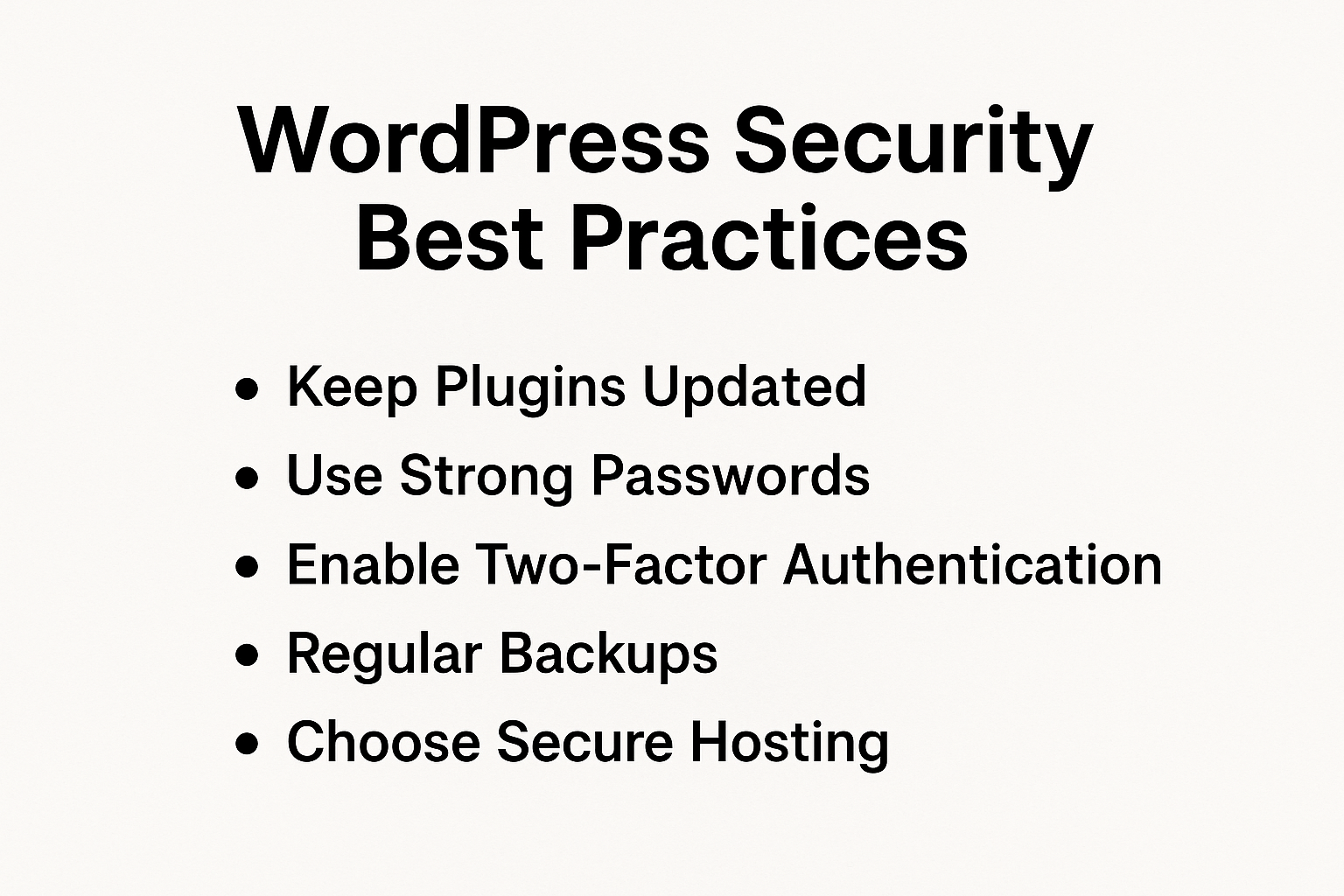
Security issues are one of the scariest WordPress myths within the web development community. Professionals mostly argue that because WordPress is open-source, it lacks the security features business websites demand. Using authentic and reliable WordPress plugins from top WordPress companies helps make your site secure.
WordPress Myth 3: WordPress Is Not Suitable for High-Traffic Websites
Performance-based WordPress myths often raise questions, such as whether the website can handle a large amount of traffic and a high number of users simultaneously. Problems such as these typically result from poorly installed installations or improper hosted configurations.
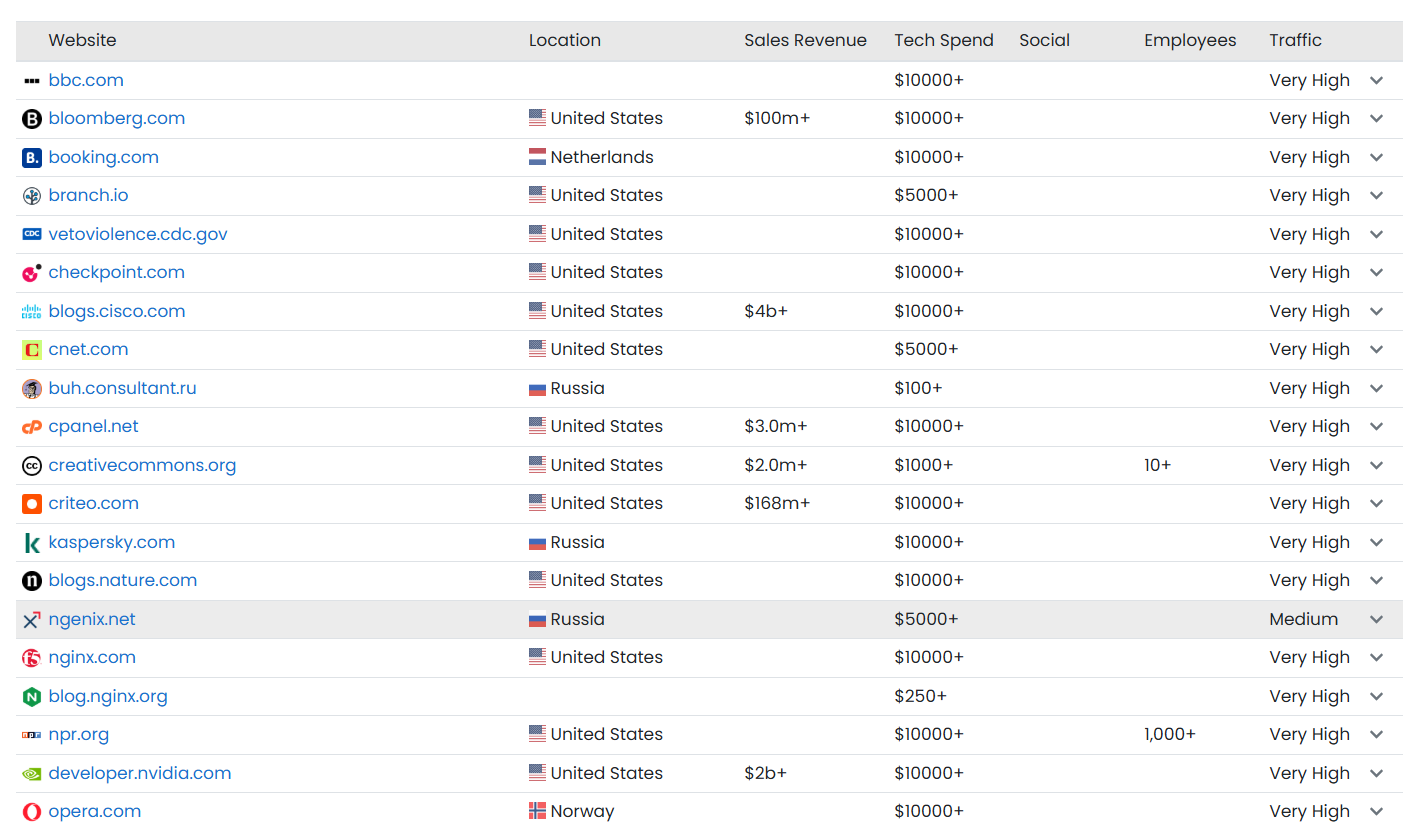
Business WordPress sites use caching, content delivery networks, and query-optimized databases to support millions of visitors. TechCrunch and BBC America are two notable businesses that have sent massive traffic through WordPress without losing performance.
WordPress Myth 4: WordPress Has Restricted Customization
WordPress myths are generally caused by flexibility problems, as the platform is not always able to be designed and run the way one desires. Such a myth has only one answer: WordPress is the CMS platform with unlimited customization options.
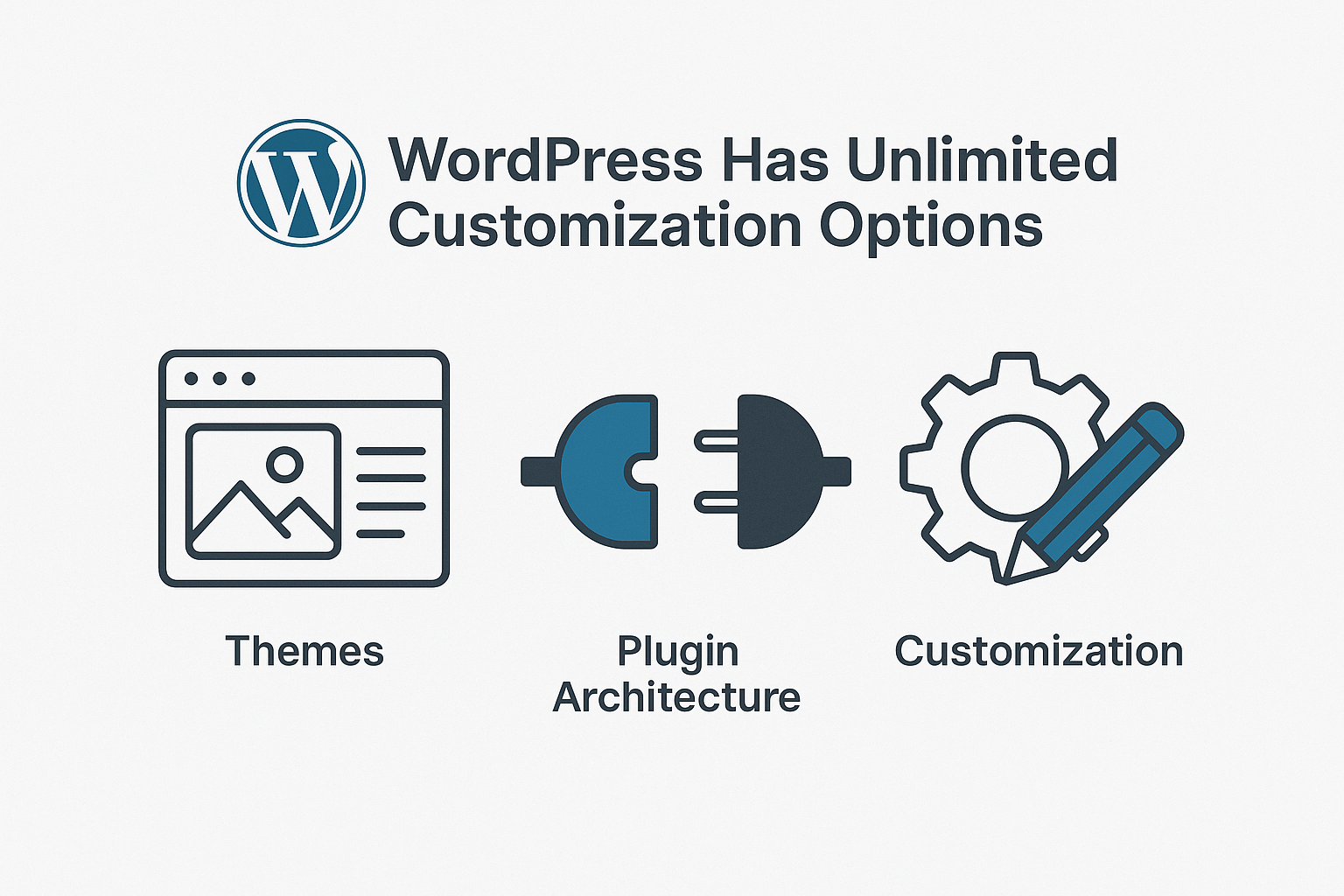
WordPress’s theme framework, plugin system, and custom post types offer developers more power to customize than ever before. WordPress offers head-level features, such as membership sites, shop sites, and complex database relationships, that are way more advanced than those in proprietary content management systems.
WordPress Myth 5: WordPress needs a High Level of Technical Acumen
Technical expertise is another one in the list of myths that surround WordPress. Most potential users believe that to operate a WordPress site, one must possess highly advanced programming skills or continuous technical maintenance.
The ease of the platform allows non-programming users to simply add information, change pages, and execute standard website functions without prior programming experience. Yes, some complicated changes might require professional development experience. But standard site maintenance is well within the scope of users with little technical expertise or costs.
WordPress Myth 6: WordPress Does Not Provide Professional Support Options
The WordPress customer support myth prevents companies from adopting the platform. Open-source software cannot offer commercial-level support, which companies need, its critics argue.
WordPress actually has several support options to choose from:
- Extensive documentation
- Forums
- Paid support
Additionally, the platforms have attracted some of the most skilled developers and agencies across the globe to offer professional WordPress services.
In addition, WordPress’s wide range of plugins further spreads its reach. Plugins enable business sites to be customized and extra features to be integrated with little technical know-how required.
WordPress Myth 7: WordPress is Too Expensive to Support in the Long Term
Cost considerations are often the main reason behind all WordPress myths, especially when they involve long-term maintenance fees and scalability costs. These are usually cost comparisons that overlook the true ownership costs across different platforms.
While WordPress core software itself is not expensive, companies generally have to pay for premium themes, plugins, and hosting. However, these expenses generally result in huge savings on license fees, transaction fees, and forced upgrades required for exclusive content management systems.
WordPress Myth 8: WordPress Doesn’t Integrate Well with Third-Party Systems
Integration features are an area where WordPress faces many myths and challenges. Everyone believes that the site cannot exist as a standalone and lacks an architecture for simple integration into their current business systems and other third-party applications.
WordPress webhook functionality and a very stable API make it easy to integrate with CRM software packages, marketing automation software, analytical tools, and almost any third-party service. The open nature of the platform has a much higher integration capacity than closed-source platforms.
WordPress Myth 9: WordPress Sites Are Hard to Optimize for the SERPs
Search engine optimization problems are the origin of additional WordPress myths. Its critics have long maintained that the platform lacks the tools necessary for a successful online presence and efficient search engine ranking.
WordPress sites normally come with neat URL structures, quick loading speeds, and search engine-friendly as well as mobile-friendly designs. Extensively used SEO plugins such as Yoast SEO, AIO, and RankMath also come with advanced optimization features that typically exceed the inbuilt strengths of other content management systems.
WordPress Myth 10: WordPress Will Become Obsolete in the Near Future
Future-proofing issues is the most terrible WordPress myth. Others mention newer options that will eventually replace WordPress, making existing investments unnecessary, in addition to costing a lot to switch over.
WordPress remains sustainable with regular updates, feature additions, and increased functionality, including the Gutenberg editor and headless WordPress implementation. The massive user base of the software, active developer base, and investment by Automattic guarantee relevance in future web development.
WordPress Performance and Scalability Uncovered
Knowledge of real performance capability eliminates most WordPress mythologies. Properly optimized WordPress websites always perform speedily and can manage incredibly high levels of traffic. Performance achievement is a question of several factors:
- Host quality
- Clearing cache
- Image optimization
- Efficient database management
These are minimum requirements for any content management system like WordPress and are baseline expectations for professional web activity.
Why These WordPress Myths Persist in the Industry
Misinformation about WordPress remains in the web development community for many reasons. Other platforms will glorify WordPress’ vulnerabilities and minimize their own vulnerabilities and problems. Second, ill-designed WordPress sites at times generate bad publicity regarding the ability of the platform.
Sales teams working with smart solutions can flip these myths on their head and charge higher prices for their solutions or sell them as best. Understanding these motivations allows companies to assess information sources more effectively and make better-informed decisions regarding their web development strategies.
Making an Informed Decision Regarding WordPress
Avoiding WordPress myths requires an objective examination of your specific business requirements and technology needs. When comparing content management systems, budget should be weighed against technical capability, customization requirements, and future growth plans.
Search for successful implementations of WordPress in your market and speak with businesses that have achieved their goal on the platform. Other people’s practical experience is more insightful than technical differences or promotional materials from other platforms.
WordPress Best Practices to Succeed
Eliminating the pitfalls that perpetuate WordPress myths requires a commitment to established best practices and industry standards. Invest in quality hosting, implement proper security practices, optimize performance, and hire the best WordPress developers when advanced capabilities are required.
Regular checking, monitoring, and maintenance of updates keep your WordPress site performing at its best. These methods apply to all content management systems and are necessary for building a professional web presence and business success.
The Future of WordPress Development
WordPress keeps growing with new additions of functionality, better performance, and new capabilities to sort out most of the age-old issues. Recent enhancements involve better mobile optimization, better block editor functionality, and better integration options.
The roadmap for the platform remains dedicated to performance improvement, security patches, and improved user experience. All of these improvements are planned to place WordPress at the center of the new web as the world’s fastest content management system.
Wrapping Up
These 10 WordPress myths have significant implications for business plans and website creation. Understanding the facts behind them will allow entrepreneurs to make informed choices and effectively harness WordPress’s strength and functionality for success. Proper deployment, constant optimization, and realistic expectations are essential to take advantage of WordPress’s potential for sustainable business growth.
WordPress can be a formidable driver of your online presence and ultimate digital success if managed well.